 TAK CRYSTALPURE ELEGANCE · GLOBAL VISION
شناخت پلیمرها: کلید انتخاب هوشمندانه بستهبندی
در بازار بستهبندی مواد غذایی، از سه پلیمر پلیپروپیلن (PP)، پلیاتیلن ترفتالات (PET) و پلیاستایرن کریستال (GPPS) به وفور استفاده میشود. هرچند ممکن است برای یک فرد غیرمتخصص همه این مواد صرفاً "پلاستیک" به نظر برسند، اما ساختار مولکولی آنها تفاوتهای بنیادی در نگهداری زعفران رقم میزند.
بررسی فنی هر پلیمر در مجاورت زعفران
- پلیپروپیلن (PP): نرم و نشکن است اما کدر و مات بوده و نمای محصول را تار میکند. به همین دلیل هرگز در بستهبندیهای لوکس زعفران کاربرد ندارد.
- پلیاتیلن ترفتالات (PET): شفافیت خوبی دارد و در برابر ضربه مقاوم است، اما سطح آن به راحتی دچار خط و خش شده و مقاومت آن در برابر اسانسهای فرار زعفران کمتر از کریستال است.
- پلیاستایرن کریستال (GPPS): درخشانترین و سختترین پلیمر شفاف با جلای الماسگونه که حس وقار شیشه را به همراه دارد و صلبیت بالای آن از هرگونه دفورمه شدن ظرف حین بستهبندی جلوگیری میکند.
| شفافیت بصری | کریستال GPPS (عالی - ۹۰٪) | پت PET (خوب - ۸۵٪) | پلیپروپیلن (مات و کدر) |
|---|---|
| سختی و صلبیت بدنه | کریستال GPPS بالاترین صلبیت را دارد و در دست خم نمیشود |
| مقاومت به خط و خش | کریستال تک کریستال به مراتب دیرتر از پت مات و خشدار میشود |
| پایداری ابعادی قالب | تلورانس انقباض در کریستال زیر ۰.۴٪ (دقت میلیمتری درپوش) |
انتخاب کارشناسان
برای محصولات ارزانقیمت پودری شاید پت یا ظروف بادی کفایت کند، اما برای زعفران کلالهای درجه یک صادراتی، پلیاستایرن کریستال تک کریستال استاندارد بیرقیب بازارهای جهانی است.
Bulk Density Calculations & Engineering Dimension Matching for Saffron Grades
Bulk density varies drastically from 0.08 g/cm³ in flat Super Negin to 0.16 g/cm³ in curly Sargol. Selecting containers calibrated to exact volumetric density prevents strand breakage and ensures a full, opulent visual appearance.
Engineered concave bottom bases focus filaments at the visual epicenter while amplifying light refractions. Subtle conical mouth angles enable seamless product dispensation without catching delicate stigmas.
| Rockwell Surface Hardness | M70-M80 scratch resistant |
|---|---|
| Melt Flow Index (200°C/5kg) | 7-9 g/10min for pristine mold filling |
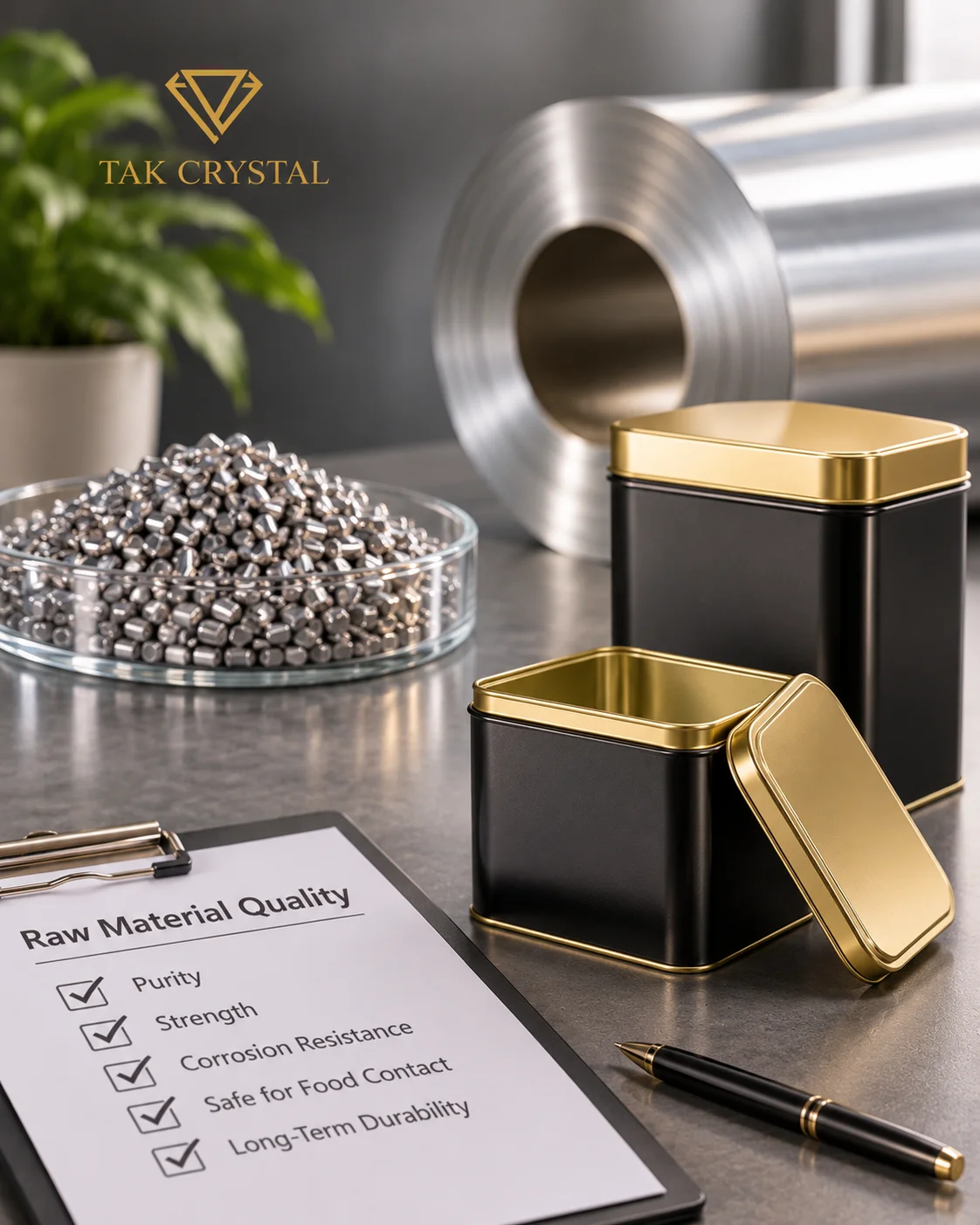
| Tinplate Deep Drawing Ratio | DR8 temper with zero edge flaking |
| Cap-to-Body Clearance Fit | <0.04 mm mechanical airtight seal |
Step-by-Step Industrial Packaging, Heat Sealing, & Pressure Testing Guide
Implementing strict hygienic engineering procedures inside packaging cleanrooms is mandatory for export compliance:
- Precision weighing on 0.001g analytical balances equipped with anti-static ionizers.
- Gentle placement with medical-grade stainless steel tweezers preventing mechanical damage.
- Induction foil sealing or controlled-torque closure with food-grade silicone liners.
- Periodic batch leak verification in vacuum chambers at -50 kPa confirming hermetic integrity.
Economic Optimization of Top-Selling Sizes & Supply Chain Inventory Efficiency
Data from 500 leading saffron brands proves standardizing procurement on 1g, half-mesghal, and 1-mesghal sizes lowers container acquisition costs by up to 35% through continuous production economies of scale.
Common Mistakes Made by Exporters & Brands in طراحی مهندسی و متریال ظروف بستهبندی
Years of experience with 500+ top saffron brands show that most cargo rejects stem from packaging oversights: sub-millimeter thin walls cracking under air pressure differentials, non-compliant interior lacquers reacting with volatile safranal, and oversized dead headspace pulverizing fragile stigmas during transit vibrations.
Comprehensive Quality Assurance (QA/QC) & Factory Inspection Protocols at Tak Crystal
At Tak Crystal, every production lot passes 5 rigorous QA checkpoints: Mitutoyo 0.01mm digital caliper dimensional gauging, 1.5m drop impact testing, microscopic optical clarity surface inspection, -50 kPa vacuum bubble leak testing, and certified food-contact hygiene compliance.
Tak Crystal Material Guarantee
All Tak Crystal containers undergo impact drop testing, environmental stress crack resistance (ESCR), and overall migration validation backed by accredited technical datasheets.